
Bringing digital inclusion to party conferences
Each year, we attend political party conferences advocating for digital inclusion to be baked into UK policy. After the busiest season yet, here's our key takeaways from the last few weeks:
Show image description Hide image description
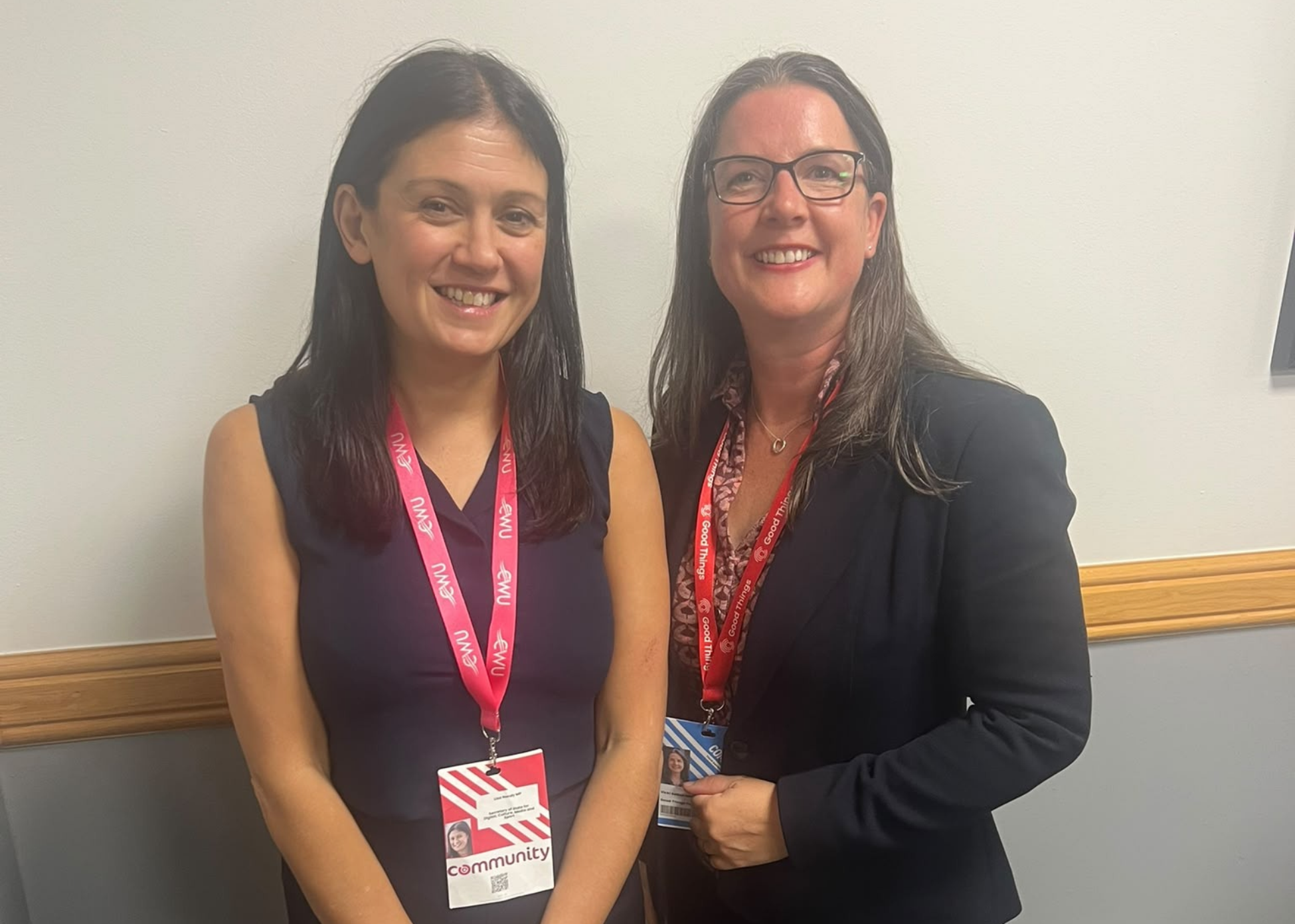
Image shows Vicki Sellick and Lisa Nandy
Labour party conference
“We can be an innovation nation.. A global leader in AI”
As Prime Minister Andy Burnham laid out his progressive plan for Hope Again, Good Things had our busiest Labour party conference so far!
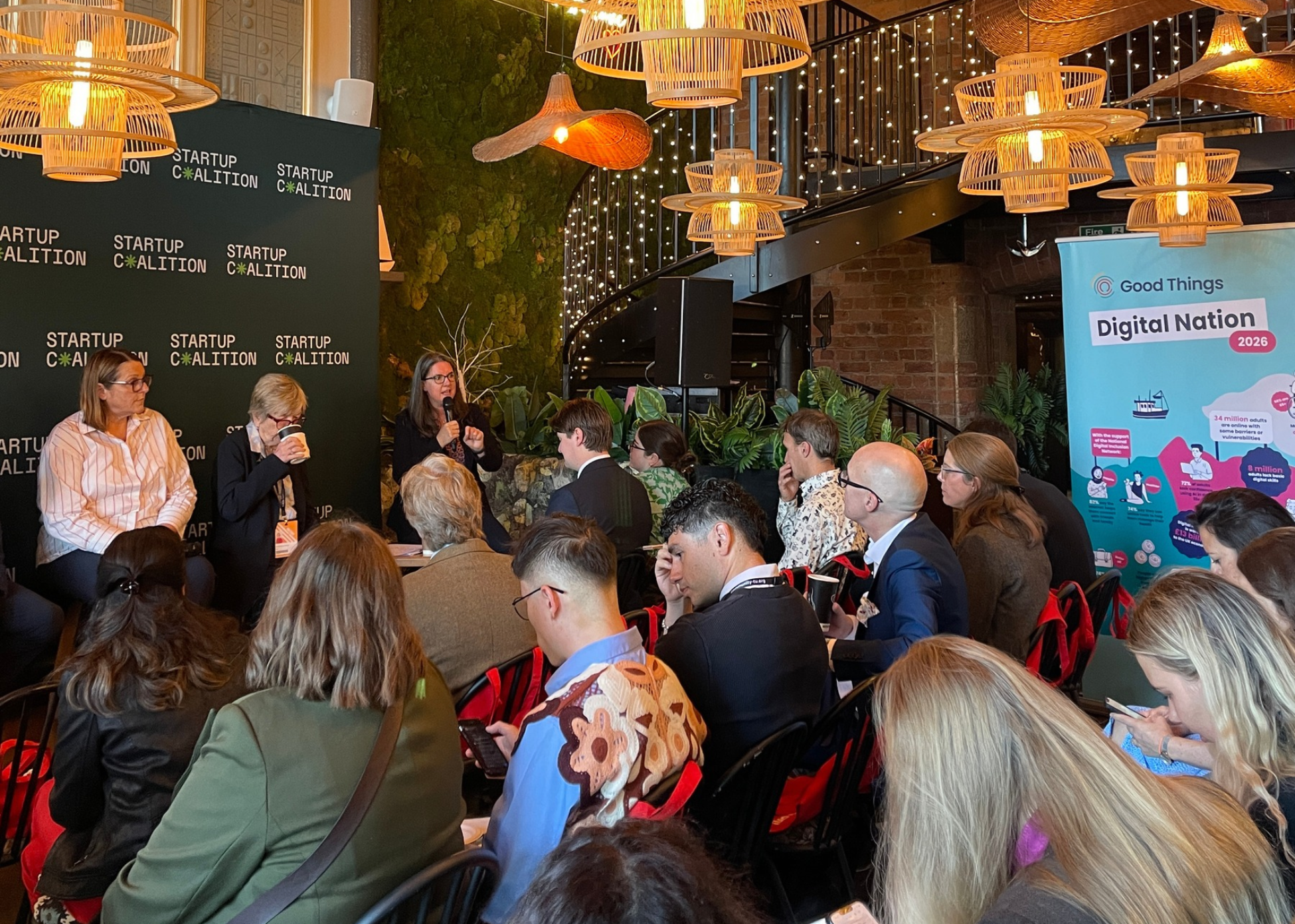
Our panel co-hosted with Startup Coalition, brought together tech experts Google and Accenture, Government Daniel Aldridge MP and Baroness Hilary Armstrong with the experts in community Vicki Sellick MBE and Nicola Wallace Dean to look at the opportunities presented in the AI age.
But, as Burnham recognised in his speech, we need to be “clear eyed about the risks” and we know that one of those risks is people being left behind.
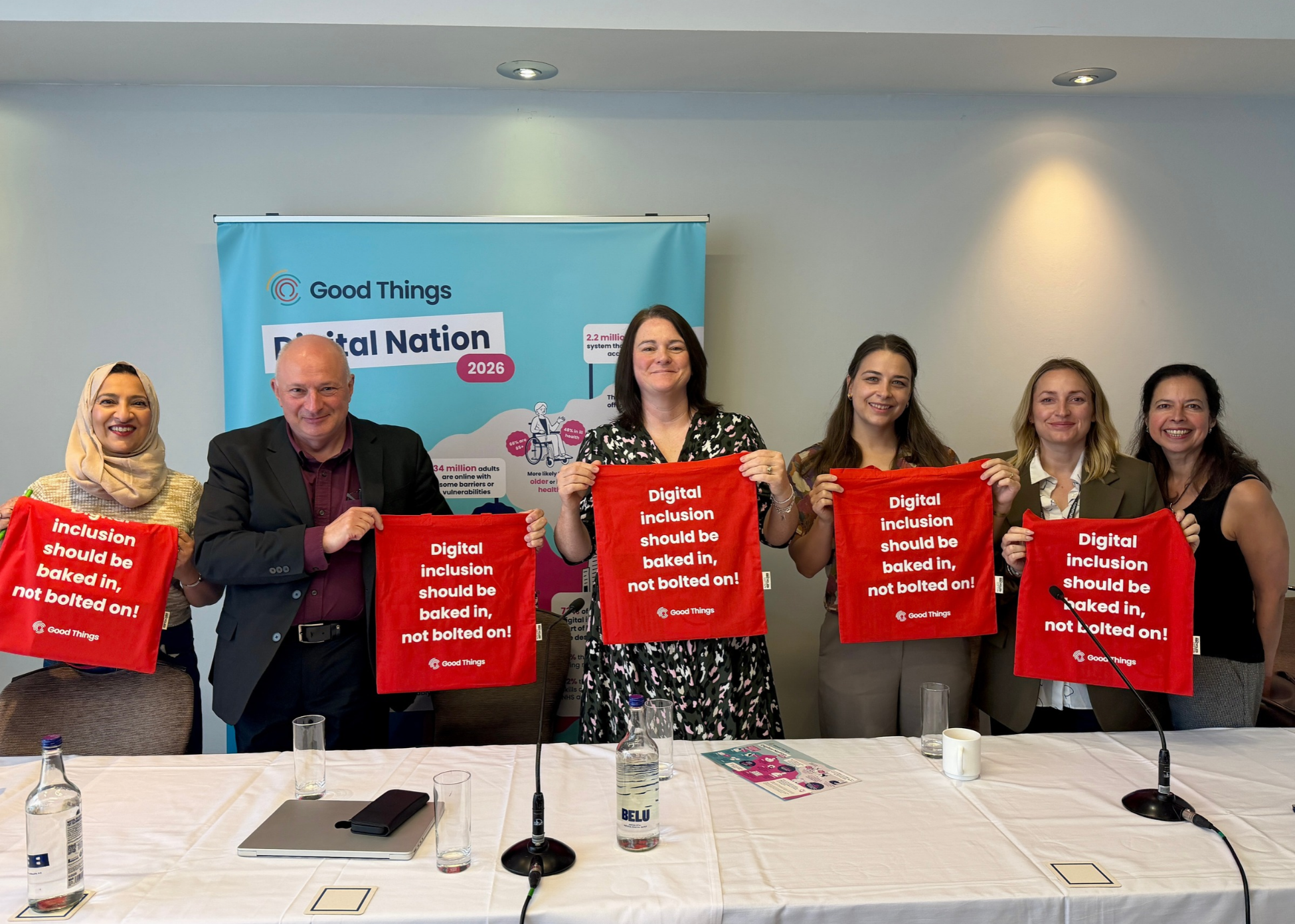
Once again, we were asking Labour party conference to get “Digital inclusion baked in, not bolted on”. We are facing major moments and policy priorities that digital inclusion needs to be central to - including devolution deals, ensuring good growth in every postcode.
We were also asking decision makers to:
- Power up places with digital and AI skills and support
- Make online public services easier and safer for all to use
- Cut the cost of connecting for those who struggle most to afford it
With members of the National Digital Inclusion Network, we shared our message that good growth is not possible if millions are left behind in the age of AI. In the UK today, only 1 in 3 adults are comfortably online. This means that two-thirds of people face at least one barrier or vulnerability. Whilst some need support with the basic cost of broadband or a smartphone, for most this is about confidence and skills. Knowing how to avoid online scams or fraud, to spot misinformation, to protect your data, and the confidence to use online services and try new things, including AI tools. Upskilling the nation is an urgent priority if we want to make good on the promise of a digital nation and a global tech leader.
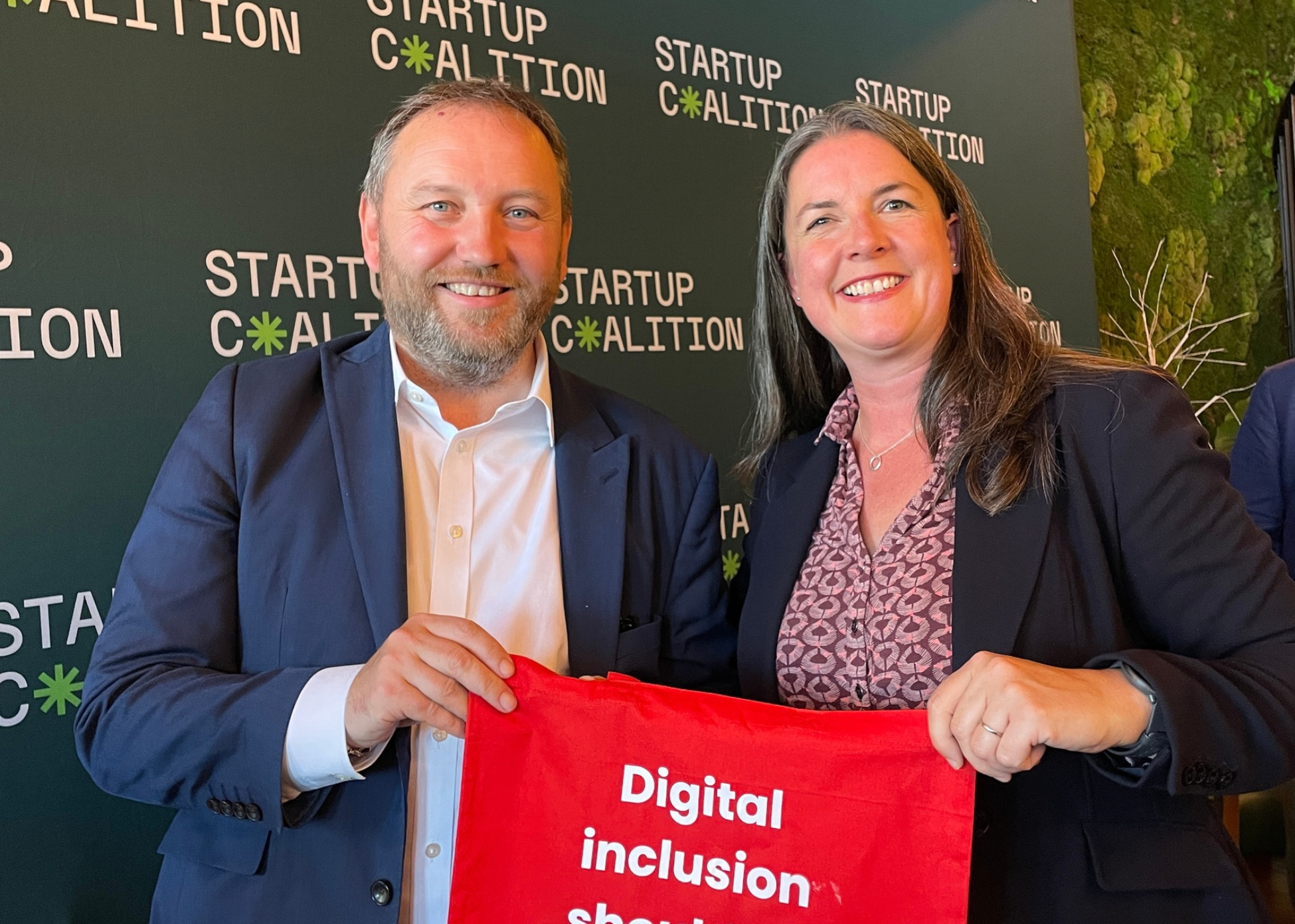
So we showed up, joined panels, spoke about what baking in digital inclusion actually means, asked questions, met with Secretary of State Lisa Nandy MP and talked about building the nation's skills to stay safe online; with DCMS Minister Vicky Foxcroft MP (leading on digital inclusion), we talked about the need to invest in AI skills training for all to unlock growth, and with DCMS Minister Ian Murray MP, we talked about the opportunity for inclusion, and the urgent need to lead a well-managed, equitable transition to ensure everyone is connected.
But Government doesn’t need to act alone, with our partners Virgin Media O2, VodafoneThree and Accenture we showed how progressive corporate and charity alliances are leading the way. Together we can empower local governments, and grassroots networks, to lead the way and turn national policy into hyper local delivery - for people, communities and the economy.
Show image description Hide image description
Image shows Ian Murray and Vicki Sellick
Reflections from our CEO, Vicki Sellick
"I spent much of my time at the energetic Labour party conference talking about how to make opportunities available for all, how to banish shame and invite people to take their first steps on a journey of feeling more confident online. Unsurprisingly, I think that means some tough choices for the government - making digital access part of the welfare state, beginning a national conversation on lifelong learning, baking it into devo-deals and policies. But it also needs collaboration across sectors, for instance with tech companies about their responsibilities towards educating everyone, not just the early adopters of AI, and with the voluntary sector about our role in providing safe spaces for all to learn. That cross-sector collaboration was evident in my conversation with TikTok and the New Statesman as we explored the role of different actors in dealing with misinformation.
Outside of the formal spaces, I spent time with a number of ministers including Lisa Nandy, Secretary of State for DCMS, to discuss online safety. As she sees the social media ban as the beginning of conversation with children and parents about online safety, we expanded out to talk about what effective education would look like for all adults in this regard. With a rise of scam victims and people concerned about how their data is being used, we agreed that it's an area that needs urgent action."
Show image description Hide image description
Image shows Startup Coalitions panel, the Digital Nation banner, and audience members
Reform
This year, we kicked off the political party conference season with Reform in Birmingham.
It was great to join our long-standing strategic partners VodafoneThree, Virgin Media O2 and Accenture to listen and learn.
As we attended the business day, there was lots of talk about driving investment and infrastructure, creating opportunities and taking advantage of tools that can support businesses, like AI.
Throughout the day, panels agreed and acknowledged that in order to drive investment and create opportunities, we need to ensure that people have the skills and confidence to make the most of technology.
Liberal Democrat
At Brighton, the Business Reception with a keynote from leader Ed Davey MP was an excellent opportunity to share our ‘Digital inclusion baked in, not bolted on’ message with leading Liberal Democrat MPs Daisy Cooper MP (thinking about growth and financial inclusion) and Victoria Collins MP (thinking about AI).
Health and social care is always a strong theme at Liberal Democrat conference, and this year was no different. On a panel, Layla Moran MP, Chair of the cross-party Health and Social Care Committee, spoke directly to digital as a major shift in healthcare, the need to build systems around people, and treating people’s health data as sacrosanct.
Conservatives
Business Day at conservative party conference in Birmingham began with attending a panel hosted and chaired by Dr Ben Spencer MP, Shadow Minister for AI, on whether AI is a ‘jobs killer, or jobs revolution’.
AI and the pace of technological change continued as a theme across panels and in private roundtables throughout the day. For children and schools. For young people, especially looking for education, employment, and training. For workers and in workplaces. For businesses, especially SMEs. And for adults of all ages and lifelong learning. In the education and skills roundtables we attended, there was widespread recognition that we can’t lose sight of ensuring the digital basics are in place, and that everyone has the support they need to keep pace, and keep learning.
Green
As we anticipated, there were no digital inclusion announcements at Green party conference this year.
At all party conferences, where there is a focus on the cost of living, there have been missed opportunities to outline the role digital inclusion plays in ensuring that people are healthier, happier and better off. It is this message that we will continue to share widely, at party conferences, to policymakers and alongside our community partners who can speak to the reality that people face in the UK today.
As we reflect on a successful party conference season, we know that there is so much more to do to bake in, not bolt on digital inclusion.
Let's bake in digital inclusion
Essential services are moving online. Employers need a tech-savvy workforce. Network members tell us that people are struggling to keep pace with changing technologies. If people are digitally excluded, then economic, social, and healthcare programmes will fail. It’s time for the Government to lead a managed transition to a tech nation that benefits everyone.
Show image description Hide image description
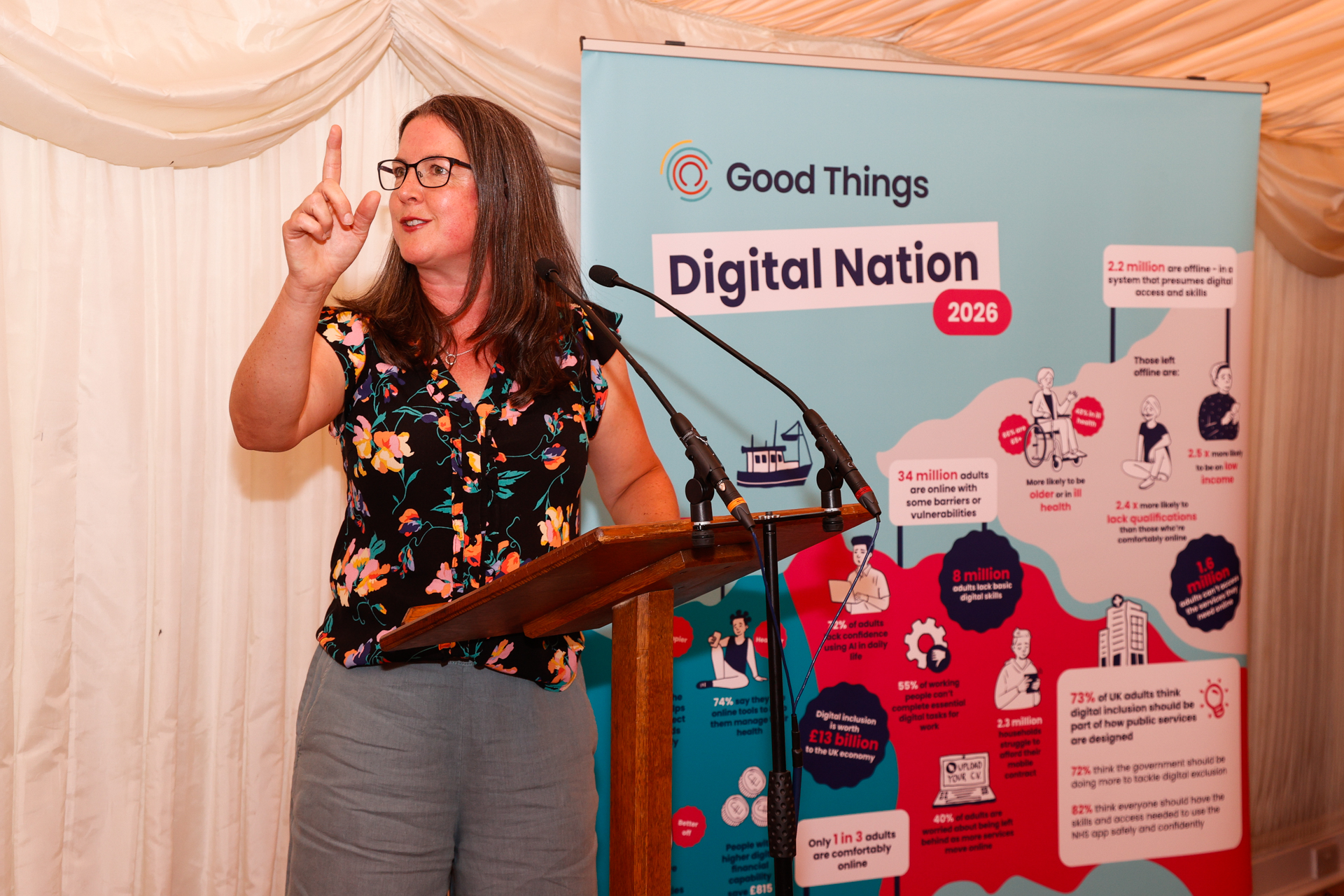
Image shows Emma Stone and Hafsha with University of Liverpool members holding 'Baked in not bolted on' tote bags
One of our National Digital Inclusion Network Ambassadors, Hafsha, joined us at Labour party conference and shared her thoughts on her reason for attending:
"My concern is that the conversations have moved onto AI and those facing exclusion in using AI. In the communities we work with, we are still trying to get the basics right: data, devices and essential digital skills. AI simply adds another layer to that exclusion. The reality on the ground is very different from the expectations. We can't leave communities even further behind simply because AI forgot to include them in the original design!"
You may also be interested in
-
 14/07/2026 Research & evidence
Our Digital Nation
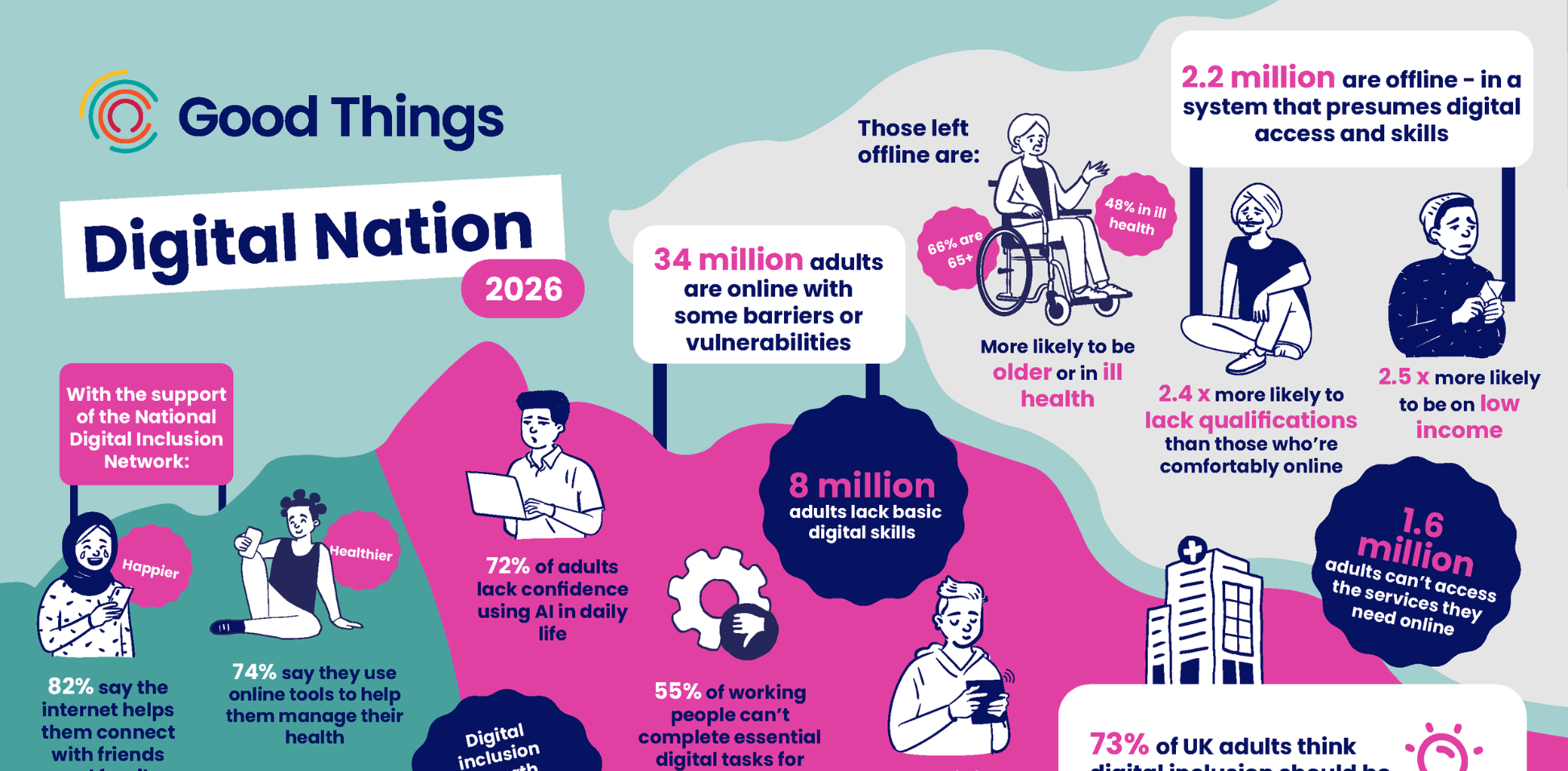
What is the state of the UK's digital divide? Each year, Good Things Foundation gathers new facts and stats to reveal the reality of digital exclusion.
-
 26/02/2026 Digital inclusion insights
Pick up the pace to finish the journey: one year on from Government's Action Plan
One year since the UK Government launched the Digital Inclusion Action Plan, Natasha Bright-Wray reviews the progress made in tackling the digital divide and what’s needed to move from first steps to lasting change.
-
 28/05/2026 Our news
Good Things launches National Toolkit to help Councils make digital skills a local priority
Good Things Foundation has released a new national report and practical framework designed to help Local Authorities embed digital inclusion into their services.