
Julie’s story: Removing the mask of affluence in Cornwall
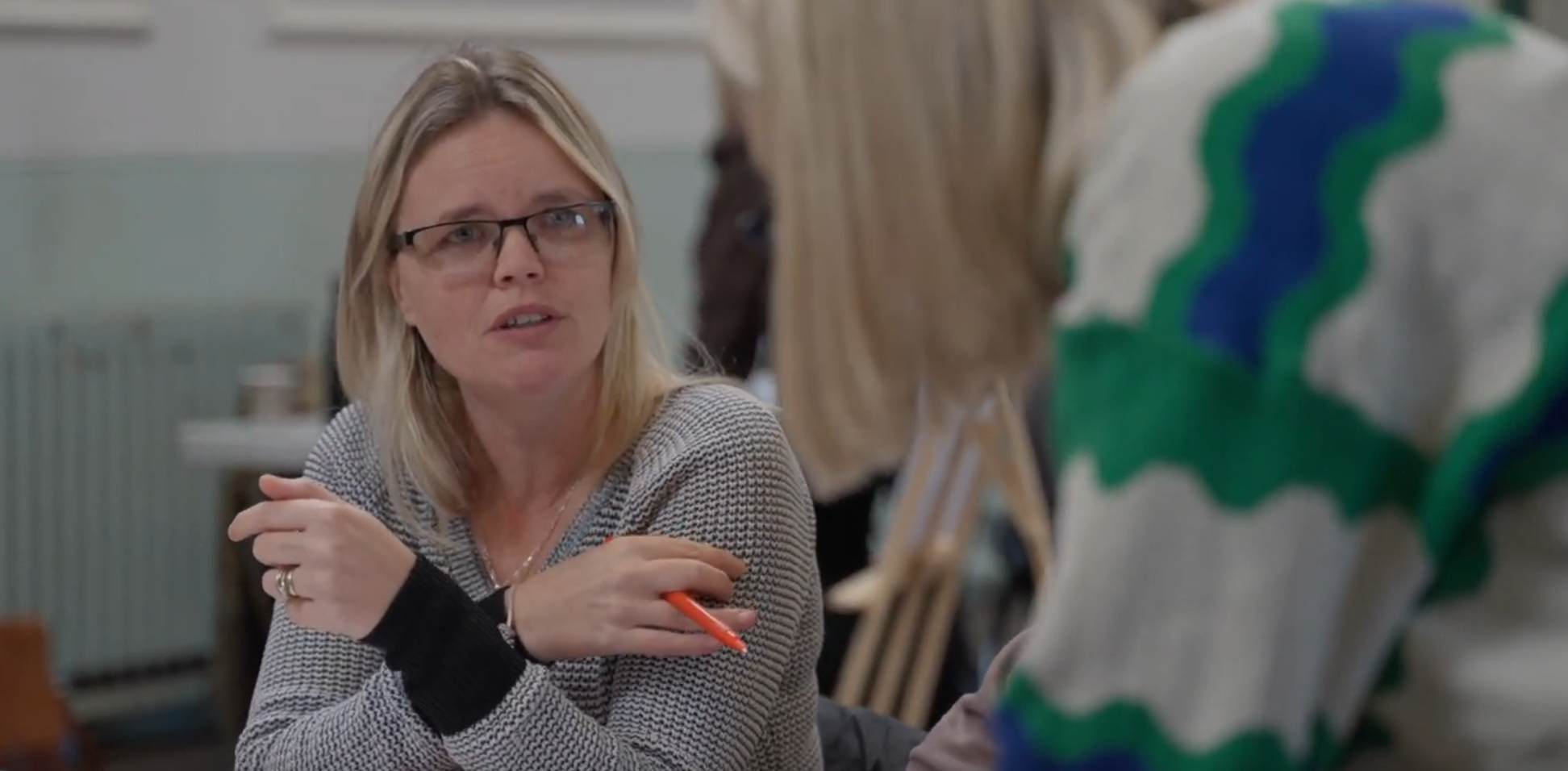
Julie Hawker, Chief Executive of Cosmic and Trustee of the Good Things Foundation, is witnessing a hidden crisis in the Southwest. While Cornwall is often viewed through the lens of tourism, Julie is highlighting the "disadvantage and suffering" beneath the surface. For many, digital exclusion is no longer just an inconvenience, it is a barrier to basic survival.
When services move online
In Redruth and across the county, essential services are retreating from the physical world, creating a high-stakes digital wall. Julie notes that
"what becomes really clear when you talk to people on the ground with real lived experience... the disadvantage and suffering is so clear."
This shift is most critical in healthcare. Julie highlights residents managing conditions like diabetes who "can't get the support they need by walking into a GP; they're sent online." When life admin becomes "baffling," the human toll is significant. As a Redruth Library representative explains,
"The stress that can put on a person is huge... knowing there’s somewhere people can go to say, 'I really don’t know how to do this' is vital."
The magic triangle of barriers
Julie identifies a specific set of challenges she calls the "Magic Triangle": the essential balance of Device, Data, and Skills.
A striking takeaway from her recent work is that "connectivity is still a big challenge here." Despite Cornwall’s past reputation as a leader in infrastructure, rurality and geography mean many "live with a rubbish internet experience and the uncertainty of whether they will or won't be online." This lack of infrastructure, paired with low digital confidence, creates a "masking of social and economic deprivation" hidden by Cornwall’s reputation for affluence and second homes.
The solution: trusted partnerships
Through the Digital Inclusion Innovation Fund, Cosmic and Good Things Foundation are working with Cornwall Council to iterate a five-year strategy. Julie argues the best way to reach the root of the problem is through "trusted partners like the Good Things Foundation, Cosmic, and the library team." Because residents "trust the people they're in the room with," they are more likely to open up and talk more candidly about the challenges.
The Redruth Library has stepped up as a Digital Inclusion Hub and National Databank. Starting in 2026, the hub will provide free SIM cards to low-income residents, ensuring data is not a luxury. Library staff believe "joining forces is the way forward because it really takes away the limitations of what you can achieve," with future plans for mobile vans to reach remote communities.
Julie’s call for change
Julie believes capturing these lived experiences is "gold dust" for influencing policy. Her ideal scenario for support includes:
- Strategic collaboration: Local authorities must base strategies on actual lived experience.
- Infrastructure investment: Addressing 'no-spots' to ensure connectivity is a right, not a gamble.
- A human-first approach: Maintaining physical hubs where people can resolve complex tasks in a friendly environment.
Julie concludes that
"If we can remove that mask and shine a light on those people who really need this support, that for me is absolutely what we should be working to achieve."
Read our What Works? Co-Lab report
We met Julie during a series of pilots with Barnsley, Cornwall, and Middlesbrough Councils to test what really works. Now, you can discover proven strategies and actionable takeaways to help your local authority embed digital inclusion into core services.
You may also be interested in
-
 28/05/2026 Stories & case studies
Leanne’s story: When connectivity becomes a life-or-death issue
Leanne, a mother in Barnsley, is facing a constant, stressful battle against digital inclusion barriers. Her 16-year-old daughter is a Type 1 diabetic who relies on a digital sensor and pump system. For Leanne, having a reliable internet connection is not a matter of convenience or education - it is literally a matter of life and death.
-
 26/02/2026 Digital inclusion insights
Pick up the pace to finish the journey: one year on from Government's Action Plan
One year since the UK Government launched the Digital Inclusion Action Plan, Natasha Bright-Wray reviews the progress made in tackling the digital divide and what’s needed to move from first steps to lasting change.
-
 16/06/2025 Research & evidence
A Regional Approach to IT Reuse for Good: Opportunities in the West Midlands
A collaboration between the West Midlands Combined Authority, Good Things Foundation and others, this report looks at the opportunities for device donation, refurbishment, and reuse in the West Midlands. Insights and opportunities for action emerged through desk research and workshops with cross-sector stakeholders in and beyond the region.